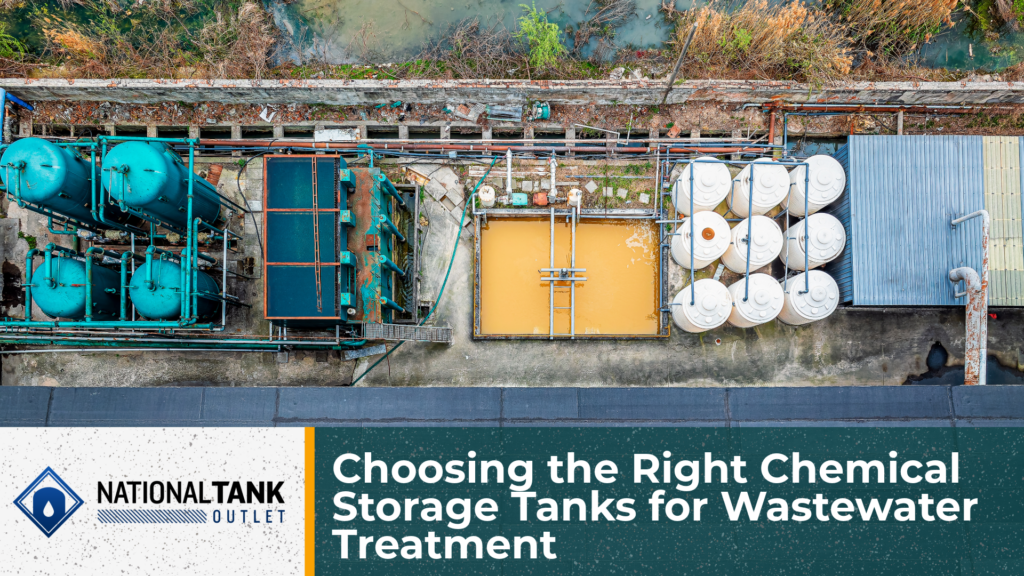
Managing municipal wastewater isn’t just about meeting regulations—it’s about ensuring the long-term safety, efficiency, and sustainability of your community’s infrastructure. For engineers and project managers, the decision to invest in the right storage tank carries significant weight. The wrong choice can trigger a trip-line effect of costly failures, environmental risks, and operational downtime—issues no one wants to see on a report or in the media.
This guide is designed to be direct and provide actionable, application-specific insights for selecting the ideal storage tank. We’ll tackle the factors that matter most to professionals: chemical compatibility, material durability for demanding applications, and matching up regulatory compliance with products. With the right knowledge, you can make a decision that not only meets today’s needs but also sets a solid foundation for years to come. Let’s get to work.
What Do We Mean by Municipal Wastewater?
Municipal wastewater, often called sewage, is the used water generated from a community’s daily activities. Its primary sources include:
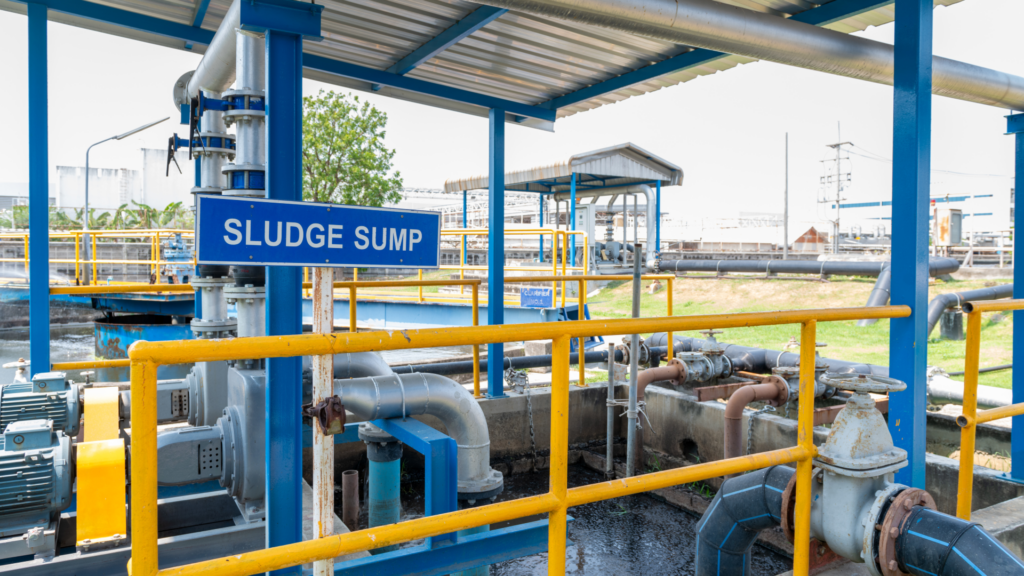
- Residential: Water from homes, including sinks, showers, toilets, and washing machines.
- Commercial: Wastewater from businesses, such as restaurants, offices, and retail stores.
- Industrial: Discharge from manufacturing and processing plants, which may contain specific chemical contaminants.
This water undergoes a multi-stage treatment process to remove pollutants before it can be safely returned to the environment or dedicated for an additional use. These stages typically include:
- Primary treatment: Settling of solids.
- Secondary treatment: Biological breakdown of organic matter.
- Tertiary treatment: Advanced filtration and chemical disinfection.
Top Challenges in Wastewater Storage
Managing and treating municipal wastewater presents unique challenges that directly influence the tank selected for the job. Unlike storing potable water, wastewater operations involve a complex and often corrosive mixture of liquids, solids, and treatment chemicals.
Common operational hurdles include:
- Handling Corrosive Chemicals and Sludge: Treatment processes often require potent chemicals like sodium hypochlorite and ferric chloride. These substances, along with sludge which too can be corrosive, are capable of rapidly degrading less than compatible storage tanks.
- Managing Fluctuating Volumes: Wastewater flow varies daily and seasonally, with peaks during morning hours and heavy rainfall. Tanks must be sized for sufficient volume to handle these surges or have enough chemicals on hand.
- Meeting Regulatory Compliance: The EPA’s Clean Water Act has firm standards set in place for wastewater discharge. Chemical storage tanks must often meet NSF/ANSI 61 and AWWA standards. Failure to comply can result in substantial fines and legal action.
Selecting the Right Tank Material for Chemical Compatibility
When selecting a wastewater tank, the most important consideration is ensuring the storage material can withstand constant exposure to the treatment chemicals it will hold. A poorly matched material can lead to premature failure, dangerous leaks, and service interruptions, all of which can be costly or even harmful to personnel or the environment.
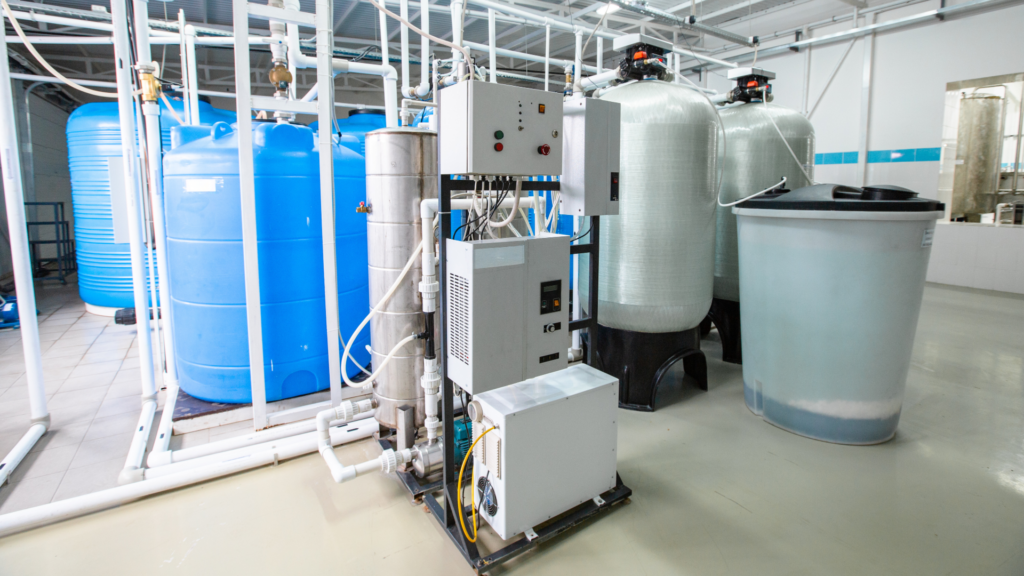
The table below outlines common wastewater treatment chemicals, the recommended tank materials for safe, long term storage, and certain professional notes regarding the tank and chemical. Always verify compatibility with your specific application.
| Chemical | Primary Use | Ideal Tank Material | Professional Notes & Considerations |
| Sodium Hypochlorite | Disinfection | XLPE or HDPE | Must be “Opaque White” or “Black” to prevent UV chemical degradation. Strong concentrations are highly corrosive; avoid unlined carbon steel. |
| Ferric Chloride | Phosphorus Removal, Sludge Dewatering | XLPE or FRP | High density resins are required to prevent “wicking” in fiberglass fibers. Polyethylene (HDPE/XLPE) is suitable but may have temperature limitations. |
| Sulfuric Acid | pH Adjustment | XLPE with Antioxidant Liner, Lined Steel | Standard HDPE is prone to “brittleness” in over 80% H2SO4 concentrations; XLPE with an antioxidant liner (e.g., OR-1000) is the industry standard for concentrations above 94%. |
| Sodium Hydroxide | pH Adjustment | HDPE, XLPE, Stainless Steel | HDPE and XLPE are excellent, cost effective options. Stainless steel may be used but can be susceptible to stress corrosion cracking at high concentrations. |
| Polymers (various) | Flocculation | HDPE, Stainless Steel | Most polymers are compatible with HDPE, which is often the most economical choice. Stainless steel is a durable alternative for mixing systems. |
| Aluminum Sulfate (Alum) | Coagulation / Flocculation | HDPE, Fiberglass (FRP) | Compatible with HDPE and FRP. Not recommended for unlined steel tanks due to corrosion risk. |
| Hydrogen Peroxide | Oxidation, Odor Control | HDPE, Fiberglass (FRP) | Stable at low concentrations. Strong oxidizer; FRP should be engineered for compatibility. Avoid contact with unlined metals. |
| Calcium Hydroxide (Lime) | pH Adjustment, Coagulation | Fiberglass (FRP), Lined Steel, HDPE | Forms abrasive slurries; requires abrasion resistant and non-reactive interior surfaces. FRP and lined steel are typically preferred for frequent mixing. |
| Magnesium Hydroxide | Alkalinity Adjustment, Odor Control | HDPE, Fiberglass (FRP) | Similar to lime, may create abrasive slurries. HDPE is suitable but may require periodic cleaning to prevent buildup. |
| Chlorine Gas | Disinfection | Lined Steel, FRP (halogen-compatible resin) | Highly corrosive, especially in the presence of moisture. Lined steel with proper venting or specialty FRP required. Avoid unlined metals and poly tanks. |
| Phosphoric Acid Storage Tanks | Nutrient Removal, pH Adjustment | HDPE, XLPE, Fiberglass (FRP) | Good chemical resistance from HDPE, XLPE, and FRP. Avoid unlined steel tanks due to high corrosivity. |
Case Example Showing Why Material Choice Matters
The City of Westfield, IN, replaced aging, problematic mild steel tanks with fiberglass reinforced plastic (FRP) tanks for their sodium hypochlorite system. The switch reduced liner leaks by over 90% and eliminated monthly spill incidents, demonstrating the long-term value of choosing a chemically compatible material from the start.
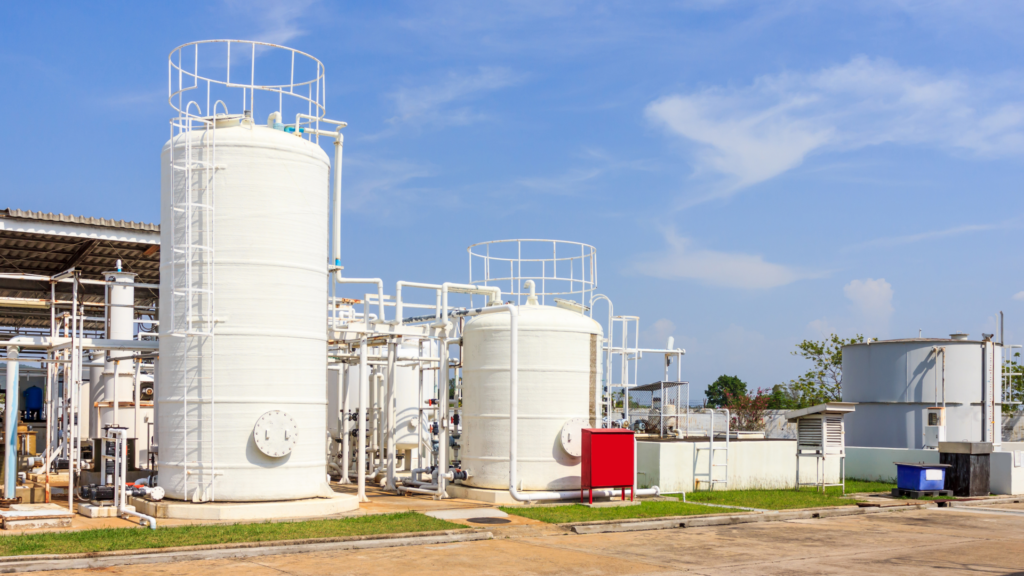
Five Main Points on Tank Selection
Beyond chemical compatibility, several other considerations should guide your decision to ensure the storage tank investment is sound, secure, and built to last.
1. Durability and Environmental Resistance
Wastewater tanks must operate throughout harsh conditions. Tanks are frequently exposed to UV radiation, extreme weather, as well as the corrosive contents within. When shopping for a tank, look for features that offer lasting durability:
- UV Inhibitors: Essential for above ground polyethylene tanks to prevent sun degradation.
- Corrosion Resistant Linings: Provide an extra layer of protection in steel tanks and fiberglass to extend service life.
- Reinforced Designs: Structural ribbing in poly tanks and engineered supports in FRP tanks help vessels withstand internal and external pressures.
2. Capacity and Scalability
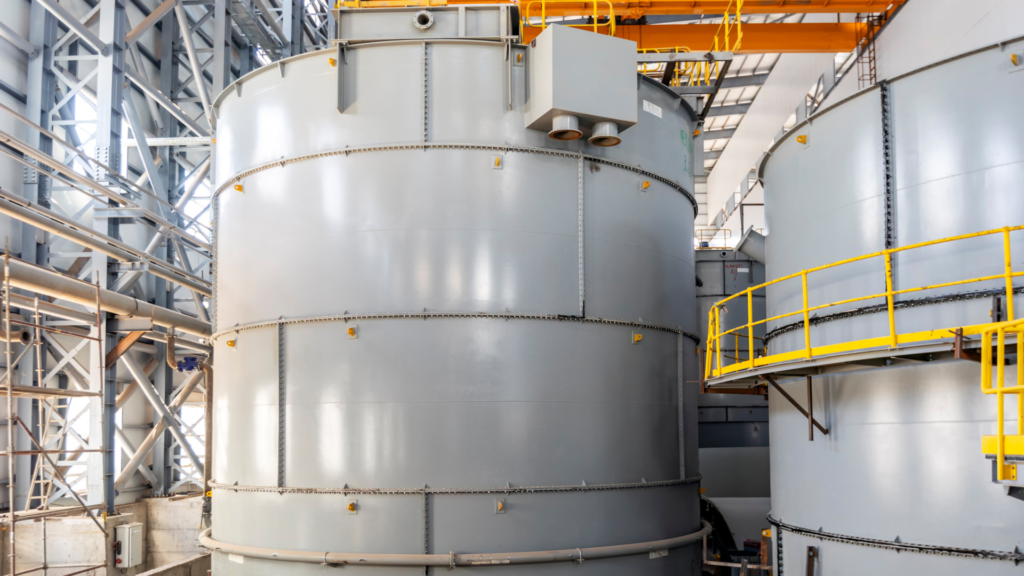
Wastewater treatment tanks must be properly sized. Evaluate both current and projected future volumes, considering population growth and seasonal variations. For municipalities that anticipate expansion, modular bolted steel tanks offer a significant advantage. These systems can be expanded over time and allow storage capacity to be scaled without having to invest in an entirely new system.
Similarly, HDPE and XLPE tanks can be joined together to increase the total collective storage capacity of a system. However, this will require the available land space to accommodate additional storage tanks.
3. Regulatory Compliance
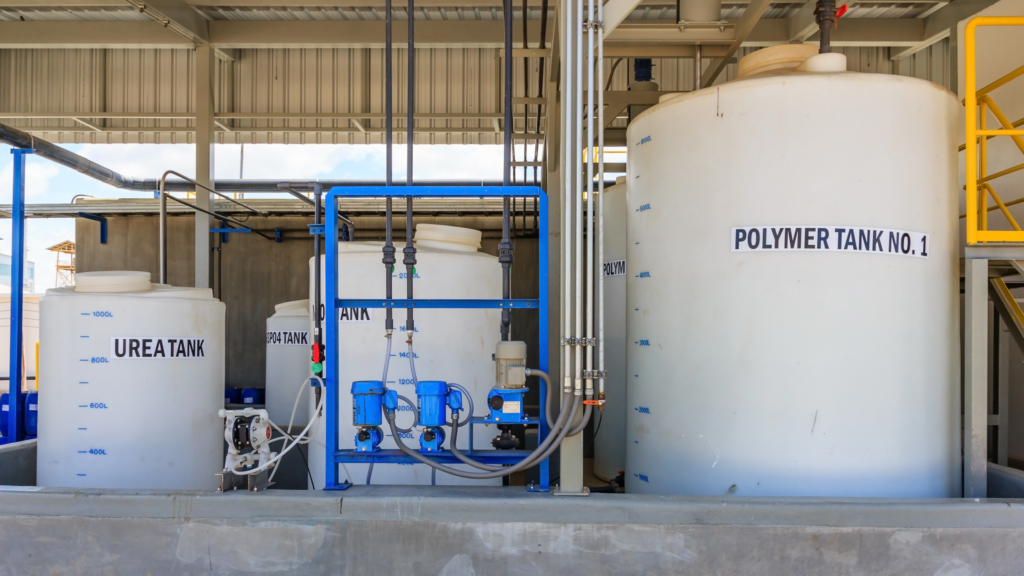
Municipal wastewater tank installations must adhere to detailed and evolving regulatory standards. Failing to comply can result in costly fines, operational delays, and environmental hazards. Top requirements include:
- Clean Water Act (CWA): Establishes the foundational rules for wastewater discharge and overflow control to protect public health and the environment.
- NSF/ANSI 61 (System Components): Tanks, fittings, and gaskets used in any way for potable water systems, even if it’s chemical storage, must be certified to NSF/ANSI 61 to ensure they do not leach harmful substances.
- NSF/ANSI 60 (Chemical Purity): The chemicals being stored—such as sodium hypochlorite or alum—must also be tested and certified to meet NSF/ANSI 60 purity standards. As of 2025, new regulations require onsite chemical generators to also comply with NSF 60 to ensure produced chemicals meet the same level of safety as those produced commercially.
- AWWA Standards (D103, D120): Define the engineering, construction, and inspection criteria for steel and FRP tanks and set the industry benchmarks for safety, durability, and operability.
- RCRA (Resource Conservation and Recovery Act) Rules (40 CFR 264.175 and/or 40 CFR 267.195): Federal law requires facilities that house designated hazardous materials (chemical or waste) that secondary containment must be provided to prevent release. Secondary containment has specific requirements—typically a dike, basin, or double wall tank—and must be capable of detecting and collecting released liquids until it can be removed. Choosing double wall tanks, such as National Tank Outlet’s “SAFE-Tank” systems, not only meets RCRA requirements but can also eliminate the need to construct separate concrete containment, which in turn can simplify installation and reduce overall project costs.
- IBC Seismic and Wind Load Requirements: Municipalities often operate in areas subject to earthquakes and severe weather. In such areas, tanks must be engineered to meet International Building Code (IBC) requirements for seismic and wind loads specific to their geographic location. Engineered tie down and anchoring systems are essential for both regulatory approval and infrastructure safeguards.
By choosing tanks and accessories already certified to meet these standards—including double wall tanks for RCRA, NSF/ANSI 61 and 60 certified materials, and IBC seismic/wind anchoring systems—municipalities can simplify their regulatory compliance, reduce potential liabilities, and streamline approvals and inspections. These certifications also give engineers and project managers the trust they need that their installation will meet operational, safety, and environmental requirements now and into the future.
4. Ease of Maintenance
For municipal infrastructure, regular inspection and maintenance cannot be compromised. How a tank is designed can make this process simple or difficult. Prioritizing features that promote upkeep can make jobs significant easier:
- Smooth Interiors: Reduce buildup of sludge, solids, and precipitates along tank walls, making cleaning faster and more effective.
- Accessible Manways: Provide safe and easy entry for personnel when they need to conduct internal inspections or repairs.
5. Tank Upfront Price vs Long Term Costs
While upfront price is a factor, the total cost of ownership can reveal true value or a poor decision. A cheaper, unlined steel tank may require frequent relining and earlier replacement, while an HDPE or higher cost fiberglass tank often delivers better net savings over its lifespan due to lower maintenance needs.
| Tank Material | Upfront Cost (per 10,000 gal.)* | Expected Lifespan | Annual Maintenance |
| Modern XLPE / HDPE | $10,000–$20,000 | 20+ years (when properly maintained and UV shielded) | Low |
| Fiberglass (FRP) | $18,000–$30,000 | 25–40 years | Low-Moderate |
| Stainless Steel | $40,000–$75,000 | 40+ years | Moderate |
| Coated Carbon Steel | $12,000–$20,000 | 10–15 years | Moderate-High |
Costs are estimates and vary by region, vendor, and project specifications.
Concerning the Supply Chain | Modern Considerations and The Competitive Edge
A significant point often overlooked is lead time. Stainless steel and custom fiberglass tanks can currently experience extended lead times of 20–30 weeks due to ongoing supply chain complexities. In contrast, National Tank Outlet can often deliver high performance poly tanks from our 40+ shipping locations in significantly less time and avoid project delays.
Benefits of Choosing the Right Tank
Selecting the best wastewater management tank is a strategic investment that is capable of delivering compounding returns. How? Because the right tank can improve overall performance, provide financial advantages, and strengthen a municipality’s commitment to environmental care.
Operating at Efficiency
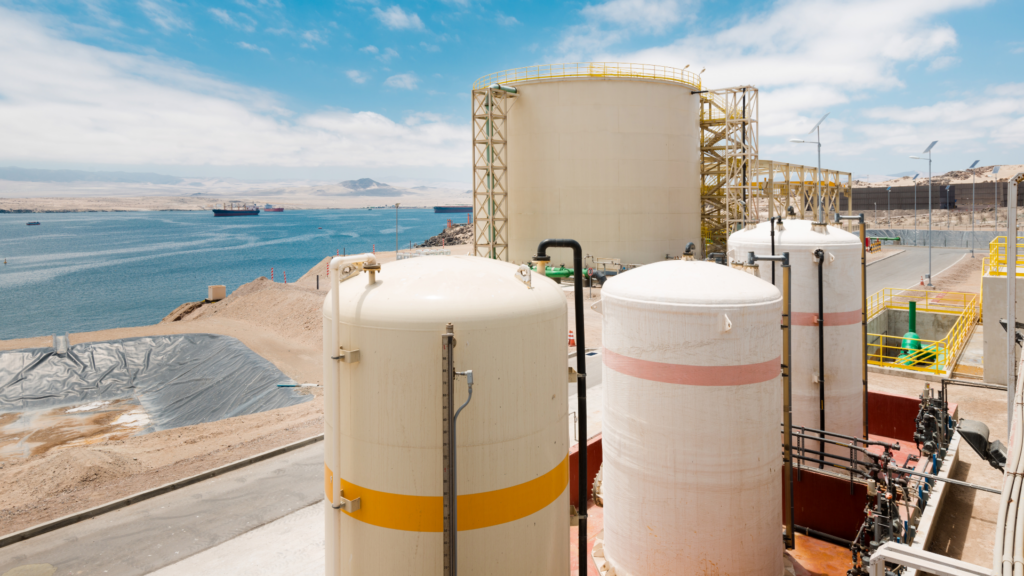
A well chosen tank is fundamental to a facility and operation that runs smoothly. Durable, low maintenance tanks are less prone to problems and failure. This in turn minimizes unplanned downtime for repairs and keeps treatment processes online.
In modern municipal applications, smart monitoring is considered a standard. Non-contact ultrasonic level sensors (which National Tank Outlet specializes in) allows operators to monitor current chemical and water conditions, and when used with remote tank monitoring equipment that uses cellular networks, tank conditions can be monitored remotely in real time. This technology directly lessens the potential risks from dynamic fluid volumes whether through overfill prevention, avoiding stock shortages, or slow personnel response time.
Significant Cost Savings
A durable, low maintenance tank means a longer service life, less upkeep, and less hassle, which in time, saves money. As an example, using a double wall tank to avoid a single major chemical spill can avoid a loss of $50,000 to $300,000+ due to EPA fines and cleanup costs, which, depending on the chemical and the environmental conditions, can go on for years.
Environmental Protection
Environmental protection is largely the primary goal of wastewater management. A tank that has been engineered for its specific contents or one with a double wall design for secondary containment, provides secure enclosure and works to safeguard soil and groundwater against hazardous materials. The RCRA rules require the ability to detect leaks in the event they occur–municipalities often choose level sensors and alarms to catch leaks as they happen.
Your Partner in Municipal Wastewater Solutions
If your department or company is looking for a partner who can help navigate the complexities of tank selection, the National Tank Outlet has earned deep industry knowledge and offers a comprehensive range of high quality, USA made products to ensure your facility is equipped for success.
Our catalog includes:
- Fiberglass Tanks: Ideal for storing corrosive chemicals and sludge.
- Polyethylene Tanks (HDPE/XLPE): A cost effective, durable, and long lasting choice with rapid availability.
- Bolted Steel Tanks: The solution for scalability, extreme duty, or high capacity needs, contact us for details on bolted steel tanks.
Our specialists work with you to understand the specific challenges and specifications around your application—from chemical compatibility and capacity needs to site constraints and regulatory requirements. We can provide personalized recommendations to help you select the most effective, best matched tank for your operation.
