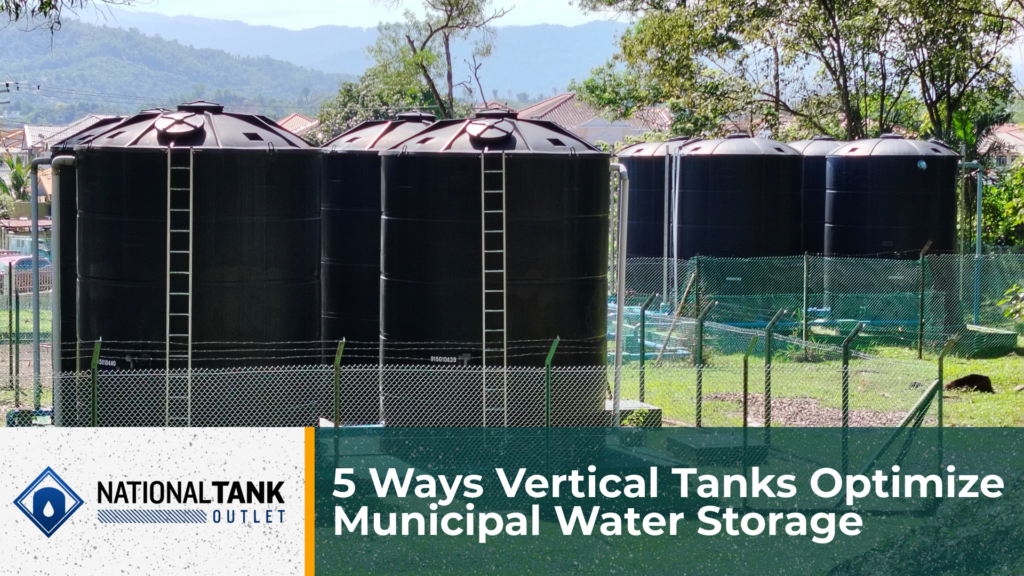
Reliable water storage is a cornerstone of any modern municipality as it provides communities with consistent access to safe, clean water. However, as urban areas grow and infrastructure ages, municipalities can face significant challenges in the changes. Limited space, rising water demand, and the need for budget friendly modernization can bleed into decisions on how to respond. When it comes to water storage, finding a solution that is both effective and practical is essential.
Protecting municipal water infrastructure—and the communities it serves—requires more than traditional tank solutions. As municipalities face heightened regulatory scrutiny and increasing demand for environmental safeguards, preventing leaks and ensuring secondary containment methods are in place has become a mission-critical priority. When it comes to storing water and water treatment chemicals, even minor failures can turn into major incidents, resulting in regulatory penalties or long term reputational impact.
This article looks at how vertical water storage tanks can offer a solution to these challenges. We will cover five ways vertical tanks can optimize municipal water storage, from saving space and money to better functionality.
1. Space Optimization
Is your municipality running out of space for critical infrastructure? Limited land availability in urban areas can make expanding water storage a logistical nightmare. Vertical tanks can solve this problem by maximizing vertical space and let you scale storage capacity without acquiring additional property. Adding just 10 feet of height to a vertical tank can increase capacity by 20-35%. For municipalities where land is a valuable commodity, this space saving design can greatly improve facility planning.
Maximizing Floor Space
Vertical tanks occupy 45-60% less ground area than equivalent capacity underground or horizontal tanks. For example, a 100,000 gallon vertical tank typically requires around 1400 ft. of base area, whereas a horizontal tank of similar volume may require over 2300 sq. ft. This difference means less land is needed or it frees up land for other uses such as treatment facilities, maintenance roads, or green spaces.
Utilizing Vertical Space
Vertical tanks maximize the use of vertical space, which is sometimes underused in municipal planning. Increasing height allows facilities to scale storage volume without acquiring more property. As mentioned, adding 10 feet of height to a vertical tank can increase capacity by roughly 20-35%, depending on the design.

Ideal for Urban Areas
The more compact design is ideal for dense city environments, where every square foot counts. Vertical tanks have been deployed successfully on constrained sites—such as utility buildings with high ceilings or small outdoor enclosures—where traditional tanks would not fit.
Comparison with Alternatives
Compared to underground tanks, vertical tanks avoid the significant excavation and complex engineering often needed to protect against soil movement and groundwater intrusion. While underground tanks can be less visually obtrusive, vertical tanks offer far easier access for inspection, maintenance, monitoring, and modifications.
2. Cost Efficiency
Are rising infrastructure costs straining your municipal budget? Traditional water storage solutions like underground or horizontal tanks often come with high material and installation expenses. Beyond saving space, vertical tanks offer recognizable cost benefits from installation through long term operation.
Material and Installation Savings
The cylindrical shape of vertical tanks allows manufacturers to use up to 30% less material than horizontal configurations for the same volume (source: AWWA Manual M42, reducing manufacturing costs). Also, their smaller footprint lowers site preparation and foundation expenses by 10-15%, helping municipalities save money from day one.
Energy Efficiency
Due to their height, vertical tanks supply higher natural water pressure (hydrostatic head), often reducing, even if slightly, the strain on booster pumps. For every 10 feet in height, water pressure increases by 4.3 psi. Depending on system design, municipalities have reported up to a 20% reduction in pump related energy costs compared to low profile or underground tanks.
Long Term Durability and Cost Savings
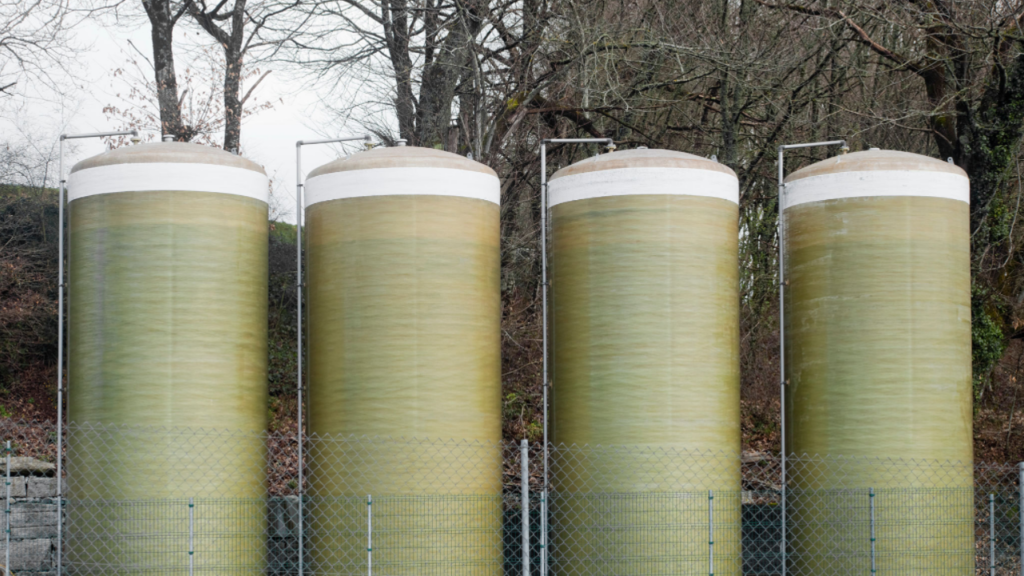
Built to last, vertical tanks made from HDPE polyethylene, fiberglass, or steel can serve your community for decades—up to 60 years of reliable water storage according to manufacturer data and field studies. Reduced leak rates and lower maintenance needs can yield lifetime cost savings of 10-25% over older steel or concrete reservoirs.
Cost Comparison
While upfront cost varies by size and material, vertical tanks are often more affordable than reinforced concrete tanks for capacities under 500,000 gallons. However, for extremely large volumes (in the millions of gallons), concrete reservoirs may still be more cost effective than multiple tanks used in sequence.
Want to explore cost effective water storage solutions? Contact our team today for a custom quote that is tailored to your municipality’s needs
3. Enhanced Durability and Safety
Are leaks or structural failures a concern in your water storage system? Tanks with irregular shapes or built from low quality material often develop stress points that can lead to costly repairs and water loss. Due to their cylindrical shape, vertical tanks provide exceptional structural integrity and lasting reliability so that public water supply remains secure.
Even Pressure Distribution
The simple, cylindrical shape of a vertical tank is one of its greatest structural strengths. This design naturally distributes the pressure of the water evenly across the tank walls, and this eliminates stress points that can form in square or irregularly shaped containers. By placing the base directly on a solid, flat foundation, the weight is uniformly supported, which in turn significantly reduces the likelihood of structural fatigue or failure over time. This intrinsic stability and load balancing makes vertical tanks a fundamentally safer and more robust storage option.
Corrosion Resistance
Advanced materials such as HDPE, fiberglass, and galvanized steel deliver exceptional corrosion resistance. HDPE, for example, resists common treatment chemicals like chlorine and ferric sulfate. Studies show HDPE tanks to sustain less than 1% annual deterioration rate over 30+ years.
Compliance with Regulatory Standards
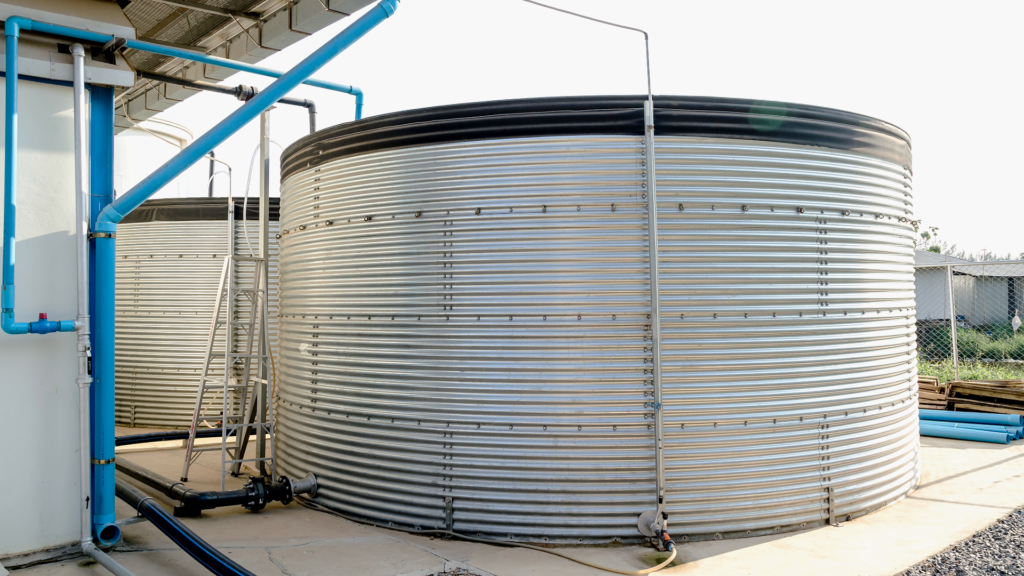
Vertical tanks for potable water must meet NSF/ANSI 61 certification, which confirms all contact materials do not pose leaching and health risks. Compliance with AWWA D120 (for thermoplastic tanks) or D103/D100 (for steel tanks) ensures proper design, construction, and operational performance. These certifications are not optional—they are required for most municipal projects and are routinely verified during health authority inspections.
Limitations and Challenges
No design is without challenges. Vertical tanks may require reinforced foundations, especially on weak soils. Taller tanks can be subject to stricter seismic and wind load requirements, which can increase engineering and construction costs. In freezing climates, taller tanks may also need additional insulation or mixing systems to prevent stratification and ice formation.
4. Versatility in Applications
Does your municipality need to find a single solution for its water management needs? From potable water storage to wastewater treatment and chemical handling, managing multiple systems can be complex and costly. Vertical tanks offer unmatched versatility as they are suitable for a wide range of applications. Whether you need to store drinking water, manage wastewater, or handle treatment chemicals securely, vertical tanks provide a reliable and adaptable solution for all your water management needs.
Potable Water Storage
For potable water storage, safety and purity are priority. Vertical tanks are ideally suited for this role, especially those with one piece, seamless construction—known as rotational mold manufacturing. This design minimizes the risk of leaks and ensures a seal against external contaminants. When made from FDA and NSF approved materials, these tanks are certified to keep water safe and clean from the moment it enters until it is distributed to the community.
Wastewater Management
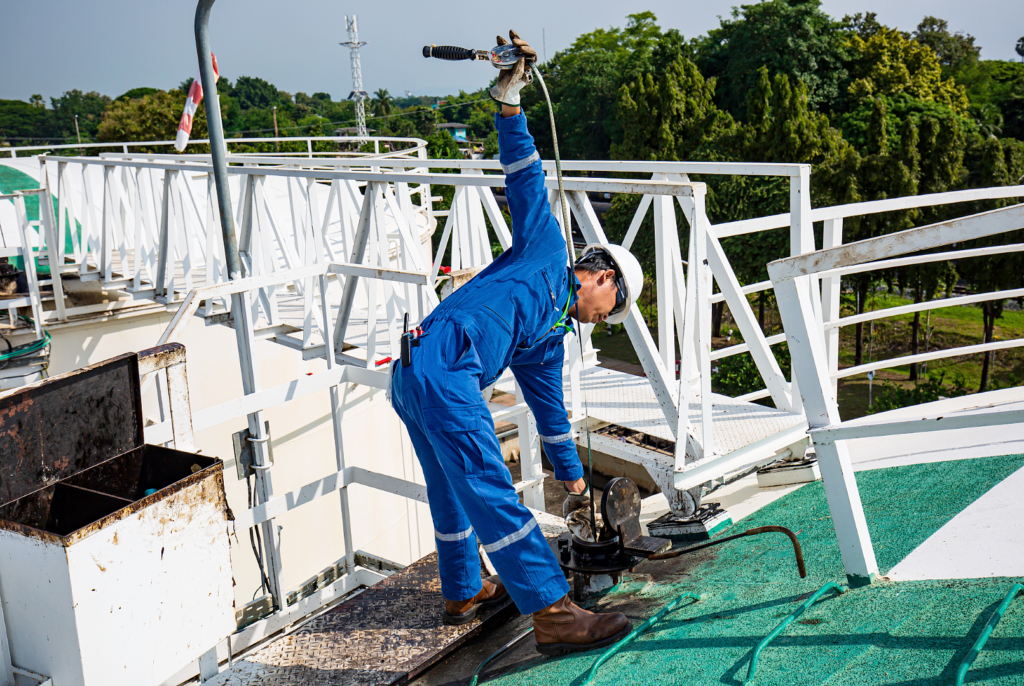
Managing wastewater is another important job for municipalities where vertical tanks excel. Both open top tanks and closed top designs can be used for the temporary storage of wastewater before it undergoes treatment. Open top tanks provide easy access for regular inspection, sampling, and cleaning, while closed top tanks help contain odors and prevent contamination, making them ideal for sites near residential or commercial areas.
Chemical Storage
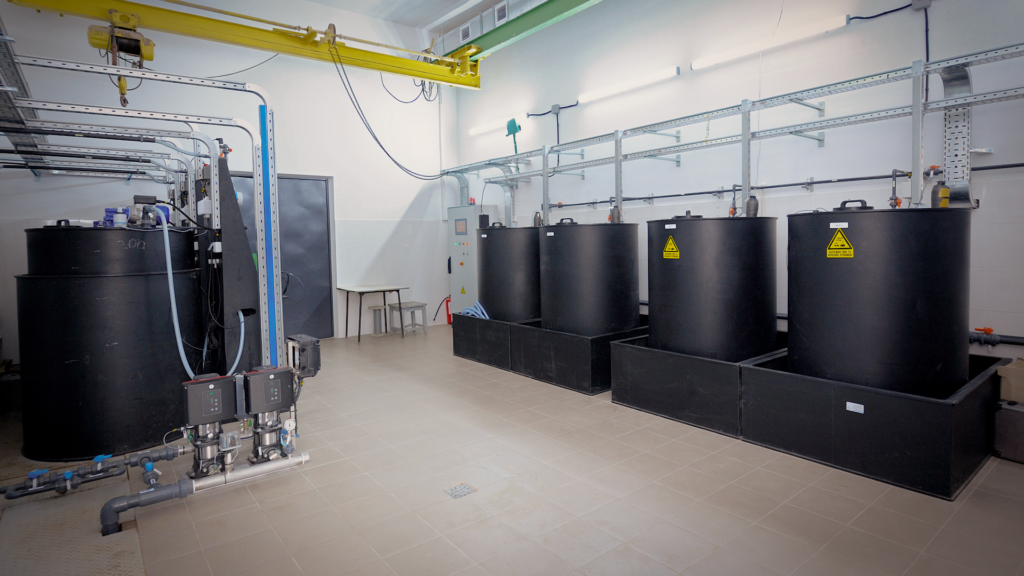
Water treatment activities rely on the precise use of various chemicals—and these must be stored safely. High density polyethylene HDPE vertical tanks and cross linked polyethylene XLPE chemical tanks are built for this purpose. These materials offer exceptional resistance to corrosive chemicals including those commonly used in water and wastewater treatment. Their natural resistance provides long term tank integrity and works to prevent hazardous leaks. This makes them a reliable choice for holding everything from disinfectants, flocculants, to pH balancing agents.
Comparison with Alternatives
While horizontal tanks may support easier access to all internal surfaces for cleaning, their large footprint limits their use in space constrained land areas. Underground tanks are excellent at minimizing visual impact and general water stability but introduce high installation and maintenance costs.
Discover how vertical tanks can streamline your water management processes—reach out to our experts for more information.
5. Environmental and Operating Benefits
Choosing a vertical tank is both a practical decision and a responsible one. These tanks offer distinct advantages that contribute to more sustainable and more efficient operations. This in turn helps municipalities to build a resilient and forward-thinking water management system.
Reduced Environmental Impact
The smaller land and material requirements of vertical tanks can effectively lower their embodied carbon by up to 15-20% compared to similarly sized above ground reservoirs. When coupled with gravity-powered flow, energy use can be lowered and carbon emissions reduced by an estimated 5-10% from water distribution equipment when compared to low profile or underground tanks.
Operational Advantages
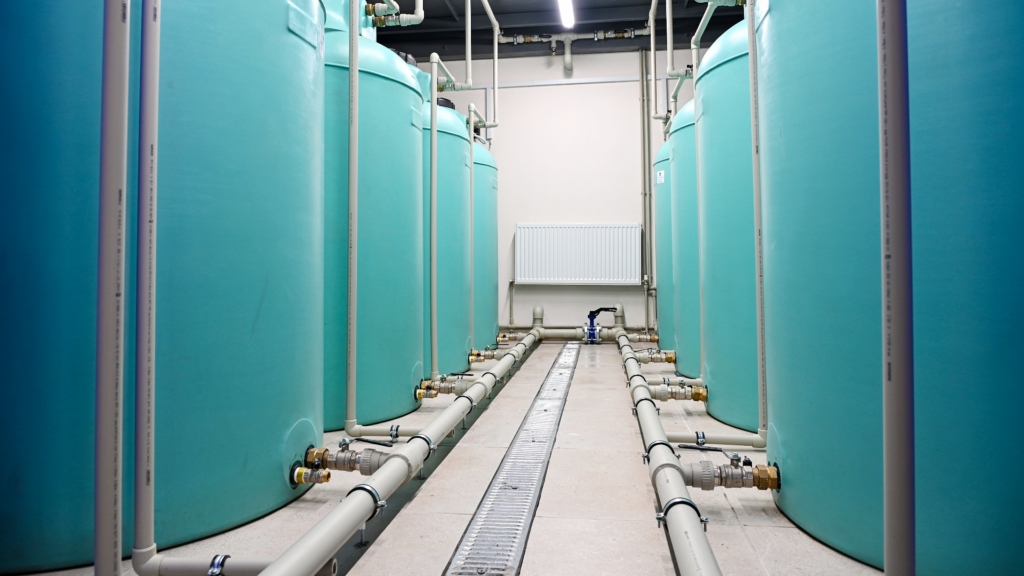
Ease of installation, flexible placement, and straightforward integration into existing systems are major operational advantages. Vertical tanks’ modular design means they can be expanded—by adding more tanks or in the case of bolted steel tanks, added on to—or the tanks can be relocated as demands change. However, care must be taken to ensure access for maintenance and equipment, especially on very tall tanks.
Adaptable to Climate and Site Challenges
Vertical tanks engineered to ASCE 7 and IBC seismic and wind codes have performed well in hurricane and earthquake prone regions. In extremely cold climates, additional systems may be necessary to circulate water and prevent freezing—a cost worth considering in northern municipalities.
A Smart, Evidence Backed Solution
From space optimization and cost savings to durability, regulatory compliance, and application flexibility, vertical tanks are a proven solution for modern municipal water storage. While they may not suit every site or volume need, their advantages frequently outweigh the limitations, particularly in constrained, urban, or rapidly growing areas to meet demands and safeguard trust in your infrastructure.
Why Choose Vertical Tanks for Your Municipality?
- Save up to 60% of land space.
- Reduce installation and maintenance costs by 25%.
- Ensure compliance with NSF and AWWA standards.
- Enjoy a service life of 60 years or more with minimal upkeep.
Before selecting a vertical tank, municipalities should consult with design engineers, regulatory authorities, and experienced manufacturers to ensure all safety, cost, site, and compliance factors are addressed. At National Tank Outlet, we offer a wide range of vertical tank solutions, including HDPE, XLPE, corrugated steel, stainless steel, built-to-order fiberglass, and onsite constructed bolted steel tanks.
Take the Next Step
Explore how vertical tanks can help your municipality optimize water storage, reduce costs, and meet regulatory standards. Contact our team today for a consultation or a custom quote on bolted steel storage tanks. Don’t wait—secure your community’s water future with the most effective solution available.
Ready to optimize? Call us at (888) 686-8265 or click below to request your custom quote.
